
Q
when was bmw ix launched
 DigitalNomadTravelerSep 24, 2025, 05:05 PM
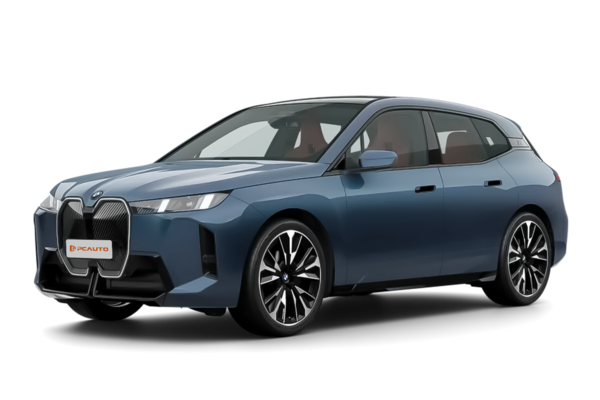
The BMW iX stands as the German automaker's flagship electric SUV, making its global debut back in November 2021 before hitting Malaysian shores in 2022. Under the skin, it's packing BMW's latest fifth-generation eDrive technology, available in two flavors: xDrive40 and xDrive50. The xDrive40 delivers a solid 425 km range under WLTP testing, while the xDrive50 ups the ante to an impressive 630 km. Both support 200kW fast charging, meaning you can add around 150 km of range in just 10 minutes – perfect for those on the go.
Design-wise, the iX leans into bold, futuristic styling that turns heads, while the interior is a tech lover's dream. Think curved displays, premium natural materials, and all the smart connectivity you'd expect from a cutting-edge BMW. It's a clear statement of how the brand is blending electrification with that signature BMW luxury and innovation.
For Malaysian buyers, the arrival of the iX is great news, expanding the local EV landscape with a compelling option – especially for those who want to combine tech-forward driving with eco-consciousness. BMW's got your back too, with official dealers offering comprehensive after-sales support and a growing charging network, so you can enjoy hassle-free electric motoring. And with the Malaysian government ramping up support for EVs, the iX and other premium electric models like it are poised to tap into a rapidly growing market.
Special Disclaimer: This content is published by users and does not represent the views or position of PCauto.
Related Q&A
Q
What Segment is BMW IX?
The BMW iX belongs to the luxury pure - electric mid - to large - sized SUV segment (usually classified as E - SUV or Luxury Electric SUV Segment). In the Malaysian market, this vehicle is mainly targeted at consumers who pursue high - end technology and sustainable mobility. Its body dimensions (length exceeding 4.9 meters and a wheelbase of about 3 meters) and positioning fall between the traditional X5 and X7. However, it is built on the CLAR architecture of the pure - electric platform, emphasizing the digital cockpit and autonomous driving functions.
In Malaysia, the direct competitors of the iX include German electric models such as the Mercedes - Benz EQS SUV and the Audi e - tron. Nevertheless, its unique "Shy Tech" stealth technology design language (such as hidden door handles and cameras embedded in the door panels) and the interior made of renewable materials (olive - leaf - tanned genuine leather and recycled wood trim) highlight the concept of environmental protection.
It's worth noting that the Malaysian government offers incentives such as import tax exemptions for electric vehicles, making luxury electric vehicles like the iX more price - competitive. Moreover, its driving range (about 425 kilometers for the xDrive40 version and about 630 kilometers for the xDrive50 under the WLTP standard) can meet the needs of local urban commuting and inter - state travel. However, it is recommended that potential buyers give priority to using it in metropolitan areas with well - equipped charging facilities.
 StrongerJul 30, 2025
Q
What is the Reslae Value of BMW IX?
As a luxury electric SUV, the second-hand resale value of the BMW iX in the Malaysian market is influenced by various factors, including the vehicle's age, mileage, maintenance condition, and market demand. Generally speaking, the resale value of electric vehicles in Malaysia is slightly lower than that of traditional fuel-powered cars. However, due to the high-end positioning of the BMW brand and the advanced technologies of the iX, such as the fifth-generation eDrive electric drive system and intelligent features, its residual value is still better than most electric vehicles in the same class.
Malaysian consumers' acceptance of luxury electric vehicles is gradually increasing, and the improvement of local charging infrastructure indirectly supports the second-hand market of the iX. If the owner can provide a complete maintenance record and keep the vehicle in good condition, the resale price will be more competitive. It's worth noting that the battery health of electric vehicles is the key to evaluating their second-hand value. BMW offers an 8-year or 160,000-kilometer battery warranty for the iX, which can significantly boost buyers' confidence.
It is recommended that potential buyers conduct transactions through the official certified pre-owned vehicle channel to enjoy the original factory warranty and inspection guarantee. At the same time, they should pay attention to the government's tax incentive policies for electric vehicles, as these factors may affect the long-term ownership cost and resale value.
 TwilightzJul 30, 2025
Q
How Many CC is BMW IX?
The BMW iX is a pure - electric SUV. As such, it doesn't have the "CC" (cubic centimeter) displacement of a traditional internal combustion engine. Instead, its performance is measured by battery capacity and motor power. The BMW iX comes in multiple versions. The iX xDrive40 is equipped with a battery pack of approximately 76.6 kWh, while the iX xDrive50 features a battery pack of around 111.5 kWh. The driving range and power performance vary depending on the version.
For Malaysian consumers, understanding the battery capacity and driving range of electric vehicles is more important than the "CC" of internal combustion engines, as these factors are directly related to daily use and charging convenience. In recent years, the Malaysian government has been actively promoting the popularization of electric vehicles, including offering tax incentives and building charging facilities. Therefore, high - end electric vehicles like the BMW iX are gradually gaining attention in the local market.
If you're interested in the "CC" displacement of internal combustion engine models, you can consider other BMW models such as the X5 or X7, which offer a variety of displacement options. However, as an electric vehicle, the iX focuses more on environmental protection and technological experience, making it suitable for consumers who pursue innovation and sustainable development.
 BraveoneJul 29, 2025
Q
What is the Engine in BMW IX?
As the flagship electric SUV of the brand, the BMW iX is equipped with the fifth-generation eDrive electric drive system, offering two power versions: xDrive40 and xDrive50. Among them, the xDrive40 adopts a single-motor rear-wheel drive layout with a maximum output of 326 horsepower, while the xDrive50 is equipped with a dual-motor all-wheel drive system that can deliver 523 horsepower. Both models are equipped with high-energy-density lithium battery packs, with a range of 425 kilometers and 630 kilometers respectively under the WLTP standard. It's worth mentioning that the motor of the BMW iX features a rare-earth-free design, balancing performance and environmental protection. Its electronic control system can precisely distribute torque to enhance handling stability, meeting the needs of Malaysia's rainy road conditions. For Malaysian consumers, the iX supports a maximum DC fast charging of 200kW, which can add 150 kilometers of range in 10 minutes. Coupled with the locally co - operated charging network, it can effectively relieve range anxiety. The vehicle also uses an aluminum frame and a carbon fiber - reinforced plastic (CFRP) cabin, achieving a balance between lightweight design and body rigidity, making it suitable for users with high requirements for technology and driving experience. When considering long - term usage costs, electric vehicles in Malaysia enjoy an import tax exemption policy, and their maintenance costs are lower than those of fuel - powered vehicles. However, it is recommended to conduct on - site inspections of the charging facility coverage before purchasing to ensure convenience of use.
WandererJul 29, 2025Q
What is the Gearbox Type of BMW IX?
As a pure-electric SUV, the BMW iX is equipped with a single-speed fixed-ratio transmission (Single-Speed Transmission). This type of transmission is simple in structure and highly efficient, which is very suitable for the characteristics of electric vehicles. Since electric motors can provide maximum torque over a wide range of speeds, there's no need for multi - speed shifting to optimize power output. For Malaysian users, this design not only reduces the complexity of maintenance but also enhances driving smoothness and response speed, making it especially suitable for city commuting and long - distance driving. It's worth mentioning that single - speed transmissions are very common in the electric vehicle field. Brands like Tesla also adopt similar designs. However, the BMW iX ensures linear and efficient power output through precise tuning. If you're interested in electric vehicle technology, you can also learn about the multi - speed transmission designs of other brands such as the Mercedes - Benz EQS or the Audi e - tron. In some high - performance models, they use two - speed transmissions to balance acceleration performance and high - speed energy consumption. Nevertheless, the single - speed transmission remains the mainstream choice for current electric vehicles, balancing reliability and cost - effectiveness.
 GamerJul 29, 2025
Q
What is the PCD Size of BMW IX?
The PCD (Pitch Circle Diameter) size of the BMW iX is 5x112, which means its wheels have 5 bolt holes distributed on a circle with a diameter of 112 millimeters. This specification is consistent with many other BMW models and is suitable for installing original - equipment or third - party wheels. For Malaysian car owners, it's very important to know the PCD size because it's a key parameter when replacing wheels or upgrading the brake system, ensuring that the new wheels match the vehicle perfectly.
In addition to the PCD, when choosing wheels, car owners also need to pay attention to the center bore diameter (CB) and offset (ET). These parameters together affect the installation effect of the wheels and driving safety. As a high - end electric SUV, the wheel design of the BMW iX not only focuses on aesthetics but also takes aerodynamic performance into account to improve the driving range. Therefore, it's recommended that car owners choose products that meet the original - equipment standards or are certified when replacing wheels to ensure that the vehicle's performance and safety are not affected. If you're unsure about the wheel specifications, you can consult a BMW - authorized dealer or a professional wheel modification shop for accurate advice.
HealerJul 29, 2025Q
Does BMW IX Have Apple Carplay?
As a luxury electric SUV under the brand, the BMW iX is indeed equipped with Apple CarPlay. This allows Malaysian car owners to easily connect their iPhones to the vehicle's infotainment system and use common apps such as navigation, music, and calls, enhancing driving convenience. The Apple CarPlay in the BMW iX supports wireless connection, enabling automatic pairing without plugging in a cable. Moreover, its interface is adapted to the curved display, ensuring smooth and intuitive operation.
In addition, the BMW iX is also equipped with the latest iDrive 8 system, which integrates intelligent features such as voice control, cloud - based navigation, and OTA updates, further enhancing the technological experience. For Malaysian users, all models provided by local dealers will retain this configuration. However, it is advisable to confirm the specific version before purchasing, as some entry - level models may require an optional installation.
If users have higher requirements for connectivity functions, they can also learn about BMW's Android Auto compatibility or native in - car services, such as real - time traffic information and remote vehicle control, which can all be achieved through the My BMW app. Overall, the BMW iX shows a comprehensive performance in intelligent connectivity and is suitable for consumers who pursue a combination of technology and luxury.
 HelperJul 29, 2025
Q
What is the Tyre Brand of BMW IX?
As a high - end electric SUV, the original - equipped tire brands of the BMW iX vary according to different markets and configurations. In the Malaysian market, the common original tire brands include Michelin, Bridgestone, and Continental. These brands all offer high - performance tires that are specifically optimized for the characteristics of electric vehicles. For example, the Michelin Pilot Sport EV series focuses on low rolling resistance and quietness, while the Continental EcoContact 6 emphasizes range performance. Additionally, the BMW iX may be equipped with run - flat tires to enhance safety.
For Malaysian users, the hot and humid climate and diverse road conditions place high demands on tires. It is recommended to regularly check tire pressure and wear. If tire replacement is needed, it is advisable to give priority to the brands recommended by the original manufacturer. At the same time, electric vehicle tires need to balance load - bearing capacity (due to the large weight of the battery pack) and instantaneous torque characteristics. When making a selection, attention should be paid to parameters such as the load index and speed rating. These details can help car owners better maintain vehicle performance and safety.
 FixerJul 29, 2025
Q
Is BMW IX a Good Car? Learn the Pros and Cons Here
As a luxury electric SUV, the BMW iX has performed quite well in the Malaysian market. Its advantage lies in being equipped with the advanced fifth - generation eDrive electric drive technology, which offers a WLTP range of up to 630 kilometers (depending on the configuration), suitable for the long - distance travel needs of local users. Meanwhile, the zero - to - 100km/h acceleration time of 4.6 seconds in the dual - motor version also showcases BMW's sporty genes. The in - car integrated curved screen and the iDrive 8 system are full of a sense of technology, and eco - friendly materials such as genuine leather tanned with natural olive leaves reflect the concept of sustainable development.
However, it should be noted that its starting price of approximately 420,000 Malaysian ringgit is in the high - end price range locally, and the coverage of the fast - charging network still has room for improvement compared to fuel stations. For Malaysian consumers, the stable performance of the battery thermal management system in the hot climate is a bonus, but it is recommended to conduct on - site inspections of the charging facility coverage before purchasing a car. Among vehicles in the same class, the off - road mode and adaptive air suspension of the iX have a certain adaptability to the terrain in East Malaysia. However, if you often drive on unpaved roads, it is recommended to choose the version with run - flat tires on 22 - inch wheels.
Overall, this car is suitable for luxury electric vehicle buyers who pursue a sense of technology and driving quality, but they need to weigh their budget and usage scenarios.
 MoonbeamsJul 29, 2025
Q
What is the Width of BMW IX?
The body width of the BMW iX is 1,967 millimeters (2,200 millimeters including the rearview mirrors). This dimension represents a relatively wide design among luxury electric SUVs, ensuring both the comfort of the interior space and enhancing driving stability. For Malaysian consumers, the width of the iX requires a bit more attention during city driving, especially on narrow roads or when parking. However, its standard 360-degree camera and automatic parking function can effectively assist with driving.
As BMW's flagship electric model, the iX also features a carbon fiber composite material body and an aerodynamically optimized design, achieving both lightweight construction and low wind resistance. Its wide-body design also provides more space for the battery pack layout, enabling a driving range of over 600 kilometers (WLTP standard). The hot and rainy climate in Malaysia places high demands on the heat dissipation and sealing of electric vehicles. The iX's battery system is equipped with an independent liquid-cooled temperature control system, and the body gaps are specially treated to adapt to the local environment.
If you're considering installing a home charging pile, it's advisable to measure the width of your parking space in advance to ensure operational convenience.
FriendJul 29, 2025Popular Cars
Model Year
Car Compare
Car Photo
Related Models
 Cars
CarsLatest Q&A
Q
Is AMT similar to automatic?
There are significant differences between AMT transmissions and automatic transmissions (AT) in terms of core structure and driving experience. AMT is essentially an electronically automated version of a manual transmission, simulating manual clutch operation and gear shifting through a computerized control system while retaining the gear set structure of manual transmissions. As a result, it offers higher transmission efficiency, with fuel consumption approximately 8%-12% lower than AT, making it particularly suitable for highway or long-distance driving. However, it may exhibit jerking similar to manual transmissions during low-speed gear shifts, especially noticeable in congested traffic conditions.
AT transmissions rely on torque converters for power transfer, delivering smooth and seamless gear shifts that appeal to comfort-oriented users. However, their complex structure (incorporating planetary gear sets, hydraulic systems, etc.) results in higher maintenance costs. A single service may cost between 800 to 1,500 ringgit, whereas AMT only requires gear oil replacement at approximately 400 ringgit.
From a market perspective, AMT is predominantly used in budget vehicles or commercial models priced below 80,000 ringgit, while AT is typically featured in mid-to-high-end vehicles. Consumers should select based on actual needs: AMT suits those prioritizing fuel efficiency and low maintenance costs, while AT better serves those valuing comfort. Notably, recent advancements in AMT electronic control technology have significantly mitigated jerking issues, though test drives should still emphasize low-speed performance evaluation.
 AriaMar 26, 2026
Q
Which is better, DCT or AT?
DCT (Dual-Clutch Transmission) and AT (Automatic Transmission) each have their own advantages and disadvantages, and the choice should be based on personal driving needs. AT transmissions transfer power through a torque converter, offering excellent shift smoothness, making them suitable for urban commuting or novice drivers. However, they tend to have higher fuel consumption, and vehicles equipped with them are usually more expensive. DCT transmissions utilize a dual-clutch structure, featuring fast shift speeds and high power transmission efficiency, which provides a more direct driving experience—particularly suitable for users seeking a sporty feel. However, they may exhibit jerking at low speeds and have relatively high maintenance costs. If durability and comfort are priorities, AT is the more reliable choice; if power responsiveness and driving pleasure are preferred, wet DCT (such as Volkswagen DSG) performs better, though dry DCT models should be avoided in prolonged stop-and-go traffic conditions. Additionally, CVT transmissions excel in smoothness and fuel efficiency, making them ideal for daily commuting, but they lack driving excitement. It is recommended to test-drive before purchasing, as tuning varies significantly across brands, and real-world experience is more important than theoretical specifications.
FlutteringMar 26, 2026Q
Is Amt good or bad?
AMT gearboxes have a significant cost advantage in the local market, typically being around 5,000 Ringgit cheaper than models equipped with conventional automatic transmissions. Their fuel efficiency is comparable to manual transmissions, resulting in long-term fuel savings. Featuring a straightforward design, they achieve transmission efficiency exceeding 90% with relatively low maintenance costs, making them ideal for practicality-oriented consumers. However, their shifting logic contains inherent limitations: gear changes between 1st and 2nd cause 0.3-0.5 second power interruptions, while unintended upshifts on inclines may reduce engine speed by 15%-20%, compromising driving smoothness. For urban commuters or budget-conscious buyers, AMT offers excellent value, though those prioritizing premium driving dynamics should consider alternative transmission types. Some domestic models like the Perodua Axia employ enhanced AMT systems, where optimized shift programming has reduced gearshift shock by approximately 30%.
 RainbowsMar 26, 2026
Q
Which gives better mileage, CVT or AMT?
From the perspective of fuel economy, CVT transmissions generally perform better under urban driving conditions. Their continuously variable design allows the engine to consistently operate within the optimal speed range, significantly reducing fuel consumption during frequent starts and stops. Test data shows that their fuel consumption in urban driving conditions is 10% to 15% lower than that of comparable models. AMT transmissions, on the other hand, inherit the high transmission efficiency of manual transmissions, delivering fuel efficiency close to manual transmissions during high-speed cruising. This makes them particularly suitable for long-distance driving in large-displacement vehicles. However, due to power interruption during gear shifts, their overall fuel consumption may be 5% to 8% higher than CVTs.
The difference in fuel-saving characteristics between the two transmissions stems from their technical principles: CVTs achieve continuous variability through steel belts and pulleys, eliminating the fixed gear ratio limitations of traditional transmissions; AMTs simulate manual gear changes via electronic control systems while maintaining the mechanical efficiency of gear transmission. Notably, actual fuel consumption is also influenced by driving habits. Smooth acceleration and anticipatory deceleration can maximize the transmissions' fuel-saving potential. If the vehicle budget permits and urban commuting is the primary use, CVTs offer a more economical choice. For frequent highway driving with an emphasis on cost-effectiveness, AMTs are equally worth considering.
 RubyBlazeMar 26, 2026
Q
Which is cheaper, AMT or CVT?
In terms of gearbox cost, AMT is usually more economical than CVT. Essentially, AMT is a manual transmission equipped with an electronic control unit, featuring a simple structure and low maintenance costs. The unit price ranges from approximately 5,000 to 8,000 ringgit, making it suitable for budget-conscious consumers or those who prioritize long-term operating costs. CVT incurs higher manufacturing costs due to its precision steel belt transmission system and continuous variable transmission technology, with a unit price of about 7,000 to 10,000 ringgit. However, it delivers a smoother driving experience and superior fuel efficiency. The primary differences between the two lie in technical complexity: AMT retains the gear-shifting mechanism, resulting in noticeable shift shock; CVT achieves linear power output through stepless speed variation but requires periodic belt inspection and incurs higher maintenance expenses. For those prioritizing initial cost and basic transportation needs, AMT offers better value; if comfort and long-term fuel economy are priorities, CVT represents a more worthwhile investment. Note that actual prices may vary based on vehicle model, brand, and local supply chain factors.
 ShadowProwlMar 26, 2026
Related News

The all-new BMW i5 eDrive40 M Sport Pro lands in Malaysia
LienJan 16, 2026

Audi RS6 sedan version may return to compete fully with the BMW M5
WilliamNov 21, 2025

Neue Klasse platform's first mass-produced vehicle, the all-new BMW iX3 makes its debut, looks just like a concept car
LienSep 8, 2025

BMW X5 will become BMW's first model equipped with a hydrogen fuel cell, with a range of 504 kilometers
JamesSep 8, 2025

BMW's all-new iX3 to be unveiled on September 5, built on the Neue Klasse platform
Kevin WongSep 1, 2025
View More
Pros
Cons