
Traveler X2 debuts at Brussels Motor Show, priced equivalent to Benz S-Class
 LienJan 14, 2025, 04:00 PM
[PCauto] In the automotive industry's ongoing exploration of innovative boundaries, flying cars, as a highly forward-looking product, are gradually transitioning from science fiction to reality. At the Brussels Motor Show 2025, the Traveler X2 from XPENG AEROHT made its debut, quickly becoming one of the most eye-catching highlights of the event, attracting global attention.
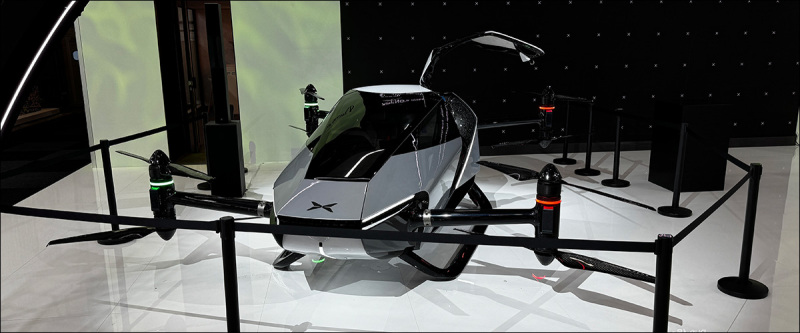
XPENG AEROHT is a subsidiary of XPENG Motors focused on the development and manufacturing of flying cars. It has been deeply engaged in the field of low-altitude flying vehicles, aiming to integrate innovative technology with transportation needs. Leveraging XPENG Motors' technological advantages in the smart electric vehicle sector, such as advanced battery technology, intelligent driving algorithms, and strong engineering R&D capabilities, XPENG AEROHT continues to break through the technical bottlenecks of flying cars, striving to offer a convenient, efficient, and safe new mode of transportation.
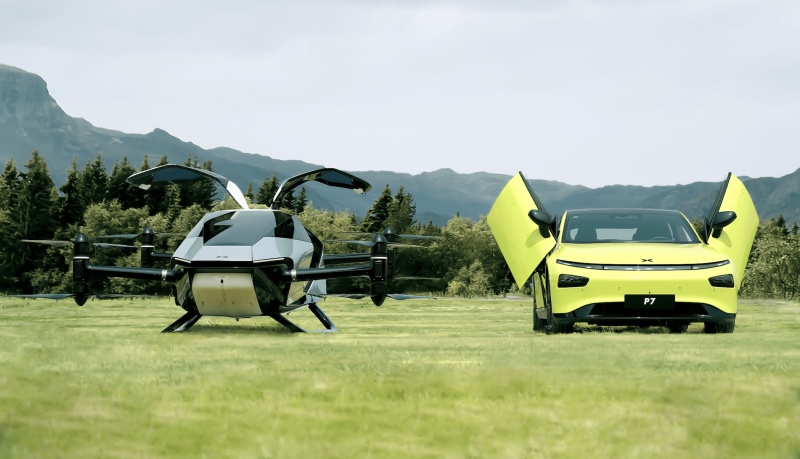
The Traveler X2 has a futuristic appearance. It features simple and smooth lines that define the body, with rounded shapes that not only reduce air resistance during flight but also give it a unique aesthetic. The wings are large and robust, providing ample lift for flight. The unique multi-rotor layout makes the Traveler X2 visually distinct from traditional cars, highlighting its identity as a flying car.
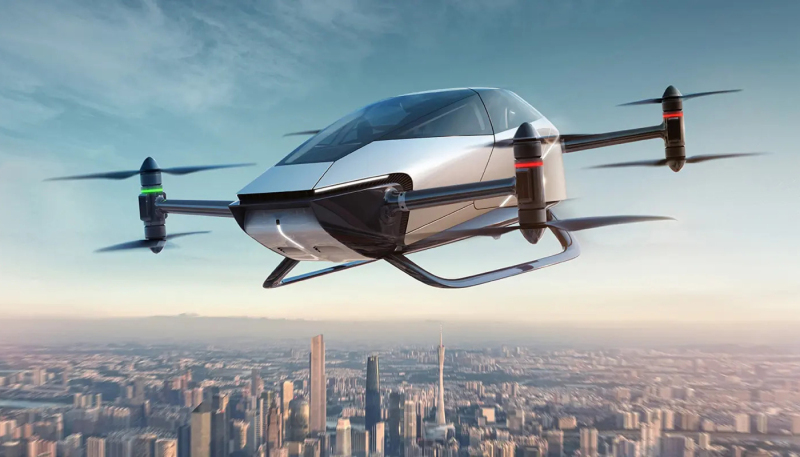
The Traveler X2 is capable of vertical takeoff and landing, eliminating the need for traditional airport runways. Small squares in urban areas or open spaces in remote regions can serve as takeoff and landing points, significantly expanding its use cases. The flight speed can reach 130 km/h, with a flight time of up to 35 minutes. At maximum speed, the flight range is approximately 75 kilometers.
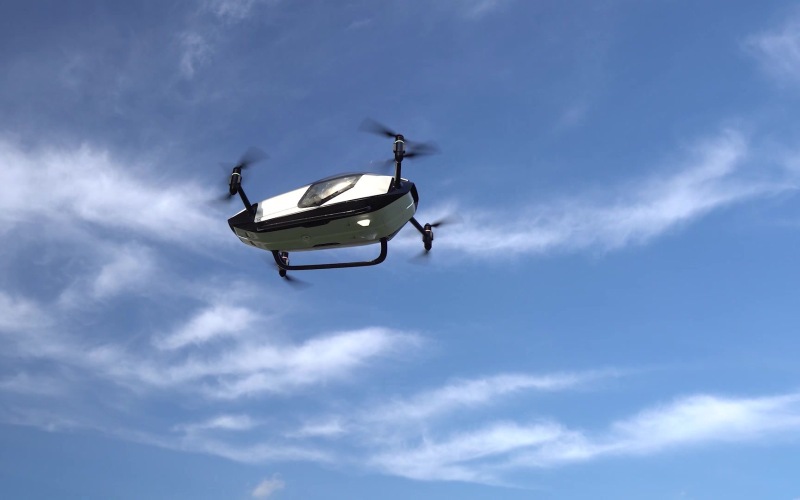
Additionally, the Traveler X2 is designed for a flight altitude below 1,000 meters, with dimensions of 5.17 meters in length, 5.12 meters in width, and 1.36 meters in height. The arms of the vehicle are foldable, with a propeller diameter of about 1.83 meters. The empty weight, including the battery, is 560 kg, and the maximum payload is 200 kg.
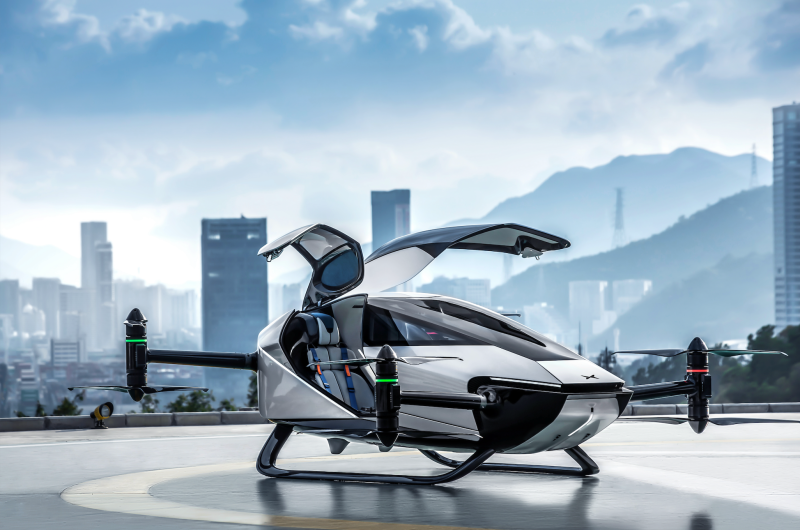
The cockpit of the Traveler X2 is equipped with a large, high-definition touch screen that integrates flight control, navigation, communication, and other functions. The interface is simple and intuitive, allowing the pilot to easily operate it. The seats are ergonomically designed, offering excellent support and comfort, which helps reduce fatigue during flight. In addition, the seats are adjustable, allowing personalized customization based on the pilot's needs.
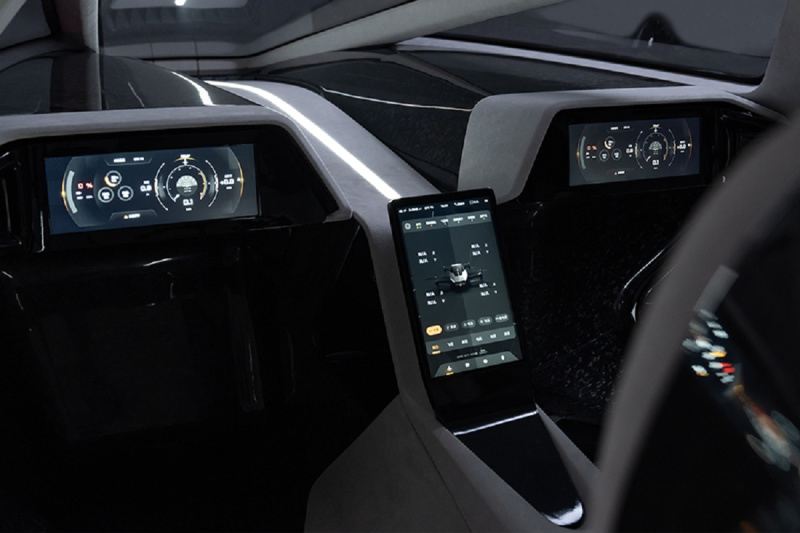
The Traveler X2 is equipped with an advanced autonomous driving system and various safety assistance functions, such as automatic obstacle avoidance and emergency braking. If obstacles or emergencies arise during flight, the autonomous system can quickly respond to ensure safety.
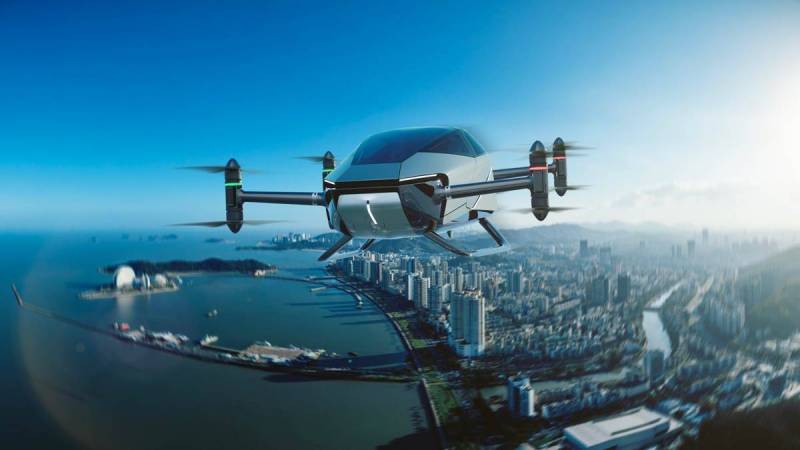
Furthermore, the Traveler X2 is equipped with redundant flight control systems. If one system fails, other backup systems can take over immediately, ensuring continuous flight. The vehicle also has comprehensive sensors that monitor the flight status and surrounding environment in real-time, providing accurate information to the pilot.
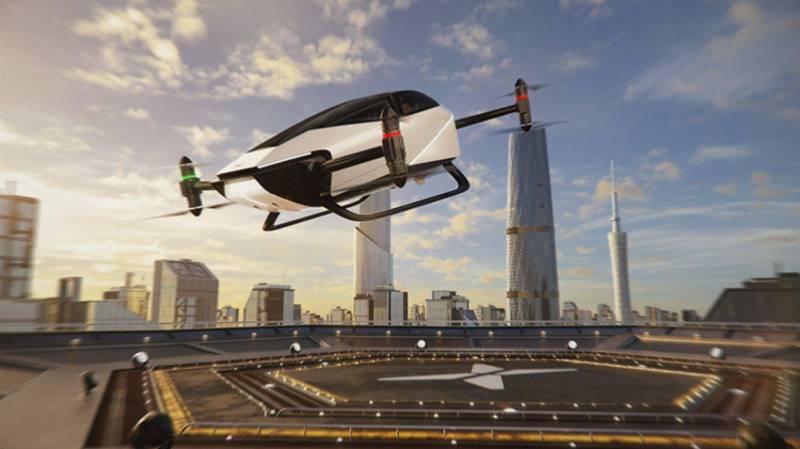
The debut of the Traveler X2 at the Brussels Motor Show not only showcased XPENG Motors' innovative achievements in the flying car sector but also gave the world a glimpse of a new mode of transportation for the future. XPENG AEROHT expects the Traveler X2 to be priced between $111,300 and $208,700. Although flying cars still face many challenges in terms of widespread adoption, such as regulatory policies and infrastructure development, the Traveler X2 has at least taken the first step.
If any infringement occurs, please contact us for deletion










Popular Cars
Model Year
Car Compare
Car Photo